Is It Safe to Use Breast Pumps?
Breastfeeding is one of the most natural and beneficial ways to nourish your baby, but in today’s busy lifestyle, many mothers in Pakistan are turning to breast pumps as a convenient solution. Whether it’s for working moms, moms with low milk supply, or those who simply want to share feeding responsibilities with family members, breast pumps provide flexibility and freedom.
But here’s the big question many new moms ask: Is using a breast pump safe for both mother and baby? In this blog, we’ll share doctor-approved insights, expert advice, and practical safety tips to help Pakistani moms make an informed choice.
What Do Doctors Say About Breast Pump Safety?
Doctors worldwide, including pediatricians and lactation consultants, generally consider breast pumps safe for both mothers and babies when used properly. In fact, they are recommended for:
-
Working mothers who need to express milk during office hours.
-
Mothers with premature babies who cannot latch immediately.
-
Mothers experiencing engorgement or blocked ducts.
-
Maintaining milk supply in case of irregular breastfeeding.
According to the World Health Organization (WHO), expressed breast milk remains the gold standard of infant nutrition, provided it’s handled and stored hygienically.
Potential Health Risks of Breast Pump Use (and How to Prevent Them)
Like any tool, breast pumps can pose risks if not used correctly. Here are the common risks and prevention tips:
1. Risk: Nipple Pain or Injury
Improper suction settings or incorrect flange sizes may cause discomfort or cracked nipples.
Doctor’s Tip: Always start with a low suction setting and gradually increase. Ensure the flange fits your nipple size.
2. Risk: Breast Infection (Mastitis or Thrush)
Unclean pump parts may harbor bacteria or fungus.
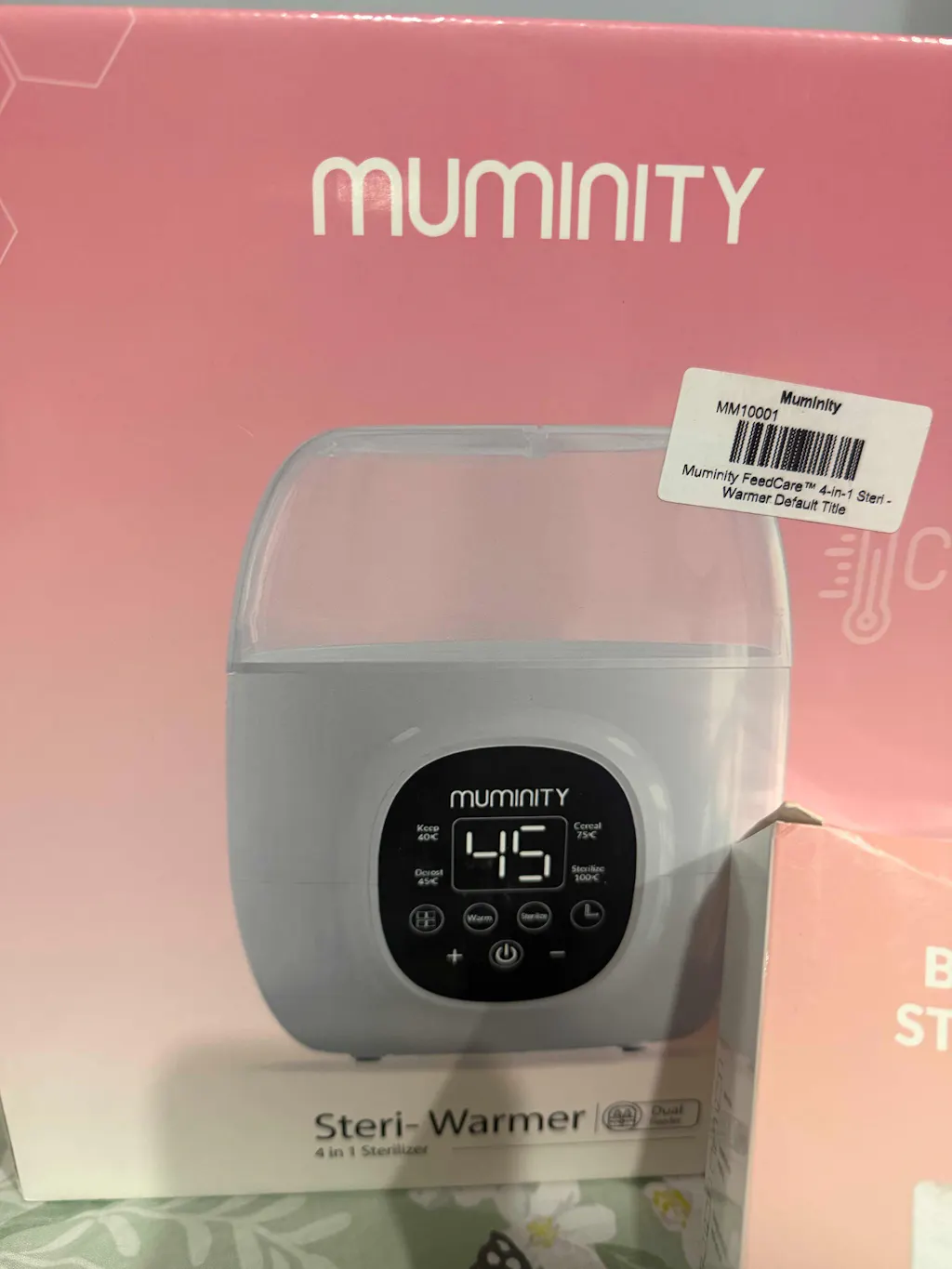
Doctor’s Tip: Sterilize pump parts after every use. Wash hands before pumping.
3. Risk: Reduced Milk Supply
Irregular pumping or long gaps may signal the body to produce less milk.
Doctor’s Tip: Follow a consistent pumping schedule (every 3–4 hours).
4. Risk: Emotional Stress
Some moms may feel pressured to pump too often.
Doctor’s Tip: Balance pumping with rest. Remember, breastfeeding is about bonding, not just milk volume.

Breastfeeding Safety Tips Every Mom Should Follow
-
Wash hands thoroughly before touching the pump or bottles.
-
Use BPA-free bottles to avoid harmful chemicals.
-
Label and store milk properly (fridge up to 4 days, freezer up to 6 months).
-
Avoid reheating breast milk multiple times.
-
Consult a lactation consultant if you experience pain, low supply, or repeated infections.
Customer Story: A Pakistani Mom’s Experience
“I was hesitant at first, thinking breast pumps might harm me or reduce my milk. But after consulting my doctor, I started using a wearable breast pump from Muminity. It made my life so much easier when I went back to work. My baby still gets all the nutrition, and I don’t feel stressed anymore.” – Sara, Islamabad
When Should You Consult a Doctor?
While breast pumps are safe, consult your doctor if you notice:
-
Persistent breast pain or swelling
-
Blood in milk
-
Sudden drop in supply
-
Repeated infections
Early medical advice ensures your breastfeeding journey remains healthy and stress-free.
Conclusion
So, is it safe to use breast pumps? The answer is yes when used correctly, breast pumps are a safe and effective way for Pakistani moms to continue providing breast milk while balancing modern responsibilities.
With the right hygiene practices, proper equipment, and guidance from healthcare professionals, breast pumps can become a trusted companion in your breastfeeding journey.